

“Nonuwan Hajiya” means the daughters of noblewomen in Hausa culture. In a society rich with tradition and respect, these young women hold a unique position of honor and responsibility. Their grace, elegance, and strong moral character set them apart in their community. Join us as we delve deeper into the fascinating world of Nonuwan Hajiya, exploring their roles, traditions, and the enduring impact they have on the cultural fabric of Hausa society. Discover the beauty and significance behind this esteemed title that embodies grace and strength.

Exploring the Beauty of Nonuwan Hajiya
Welcome, young explorers, to a magical journey into the fascinating world of Nonuwan Hajiya! In this enchanting blog post, we will uncover the secrets and traditions surrounding this beautiful concept that holds a special place in Hausa culture. From its origins to its significance in everyday life, Nonuwan Hajiya is a treasure trove waiting to be discovered.
The Meaning Behind Nonuwan Hajiya
Nonuwan Hajiya is a Hausa term that translates to “the daughter of a respected woman.” In the rich tapestry of Hausa culture, women play a central role in the family and society, embodying strength, grace, and resilience. Nonuwan Hajiya is a term of endearment and honor, highlighting the importance and reverence given to women who uphold these values.
The Legacy of Nonuwan Hajiya
For generations, Nonuwan Hajiya has been a symbol of feminine power and wisdom in the Hausa community. From grandmothers passing down stories of courage to daughters learning the art of weaving intricate designs, the legacy of Nonuwan Hajiya transcends time and generations.
Young girls grow up hearing tales of legendary Nonuwan Hajiya who bravely defended their families and communities, using their intelligence and resourcefulness to overcome challenges. These stories inspire courage and resilience in young girls, teaching them the value of strength and compassion.
Traditions and Celebrations
Nonuwan Hajiya is not just a concept but a living tradition that is celebrated in various ways in the Hausa culture. One such celebration is the annual Nonuwan Hajiya festival, where women of all ages come together to honor the legacy of their foremothers.
During the festival, young girls dress in vibrant traditional attire and participate in lively dances and rituals that pay homage to the spirit of Nonuwan Hajiya. Elders share stories of courage and resilience, passing down the wisdom of Nonuwan Hajiya to the next generation.
The Symbolism of Nonuwan Hajiya
Nonuwan Hajiya represents more than just a title; it embodies the essence of womanhood in the Hausa culture. The term is a reminder of the strength, dignity, and grace that women possess, showcasing their resilience in the face of adversity.
From the intricate patterns of the traditional attire to the graceful movements of the dance, Nonuwan Hajiya is a living symbol of the beauty and elegance that women bring to the world. It serves as a reminder to embrace one’s heritage and be proud of one’s identity.
Embracing Nonuwan Hajiya Today
As we journey through the rich tapestry of Hausa culture, we are reminded of the timeless wisdom and beauty of Nonuwan Hajiya. In a world that is constantly changing, the ideals of strength, grace, and resilience embodied by Nonuwan Hajiya serve as a guiding light for women everywhere.
Today, young girls are encouraged to embrace the legacy of Nonuwan Hajiya, celebrating their heritage and culture with pride. By embodying the values of courage, compassion, and wisdom, they carry forward the spirit of Nonuwan Hajiya into the future, inspiring generations to come.
So, dear readers, as we conclude our exploration of Nonuwan Hajiya, remember to honor the women in your life who embody the spirit of Nonuwan Hajiya. Let their strength and resilience be a guiding force in your own journey, as you navigate the world with grace and dignity.
Until next time, may the legacy of Nonuwan Hajiya continue to shine brightly in our hearts and minds, inspiring us to be the best versions of ourselves.
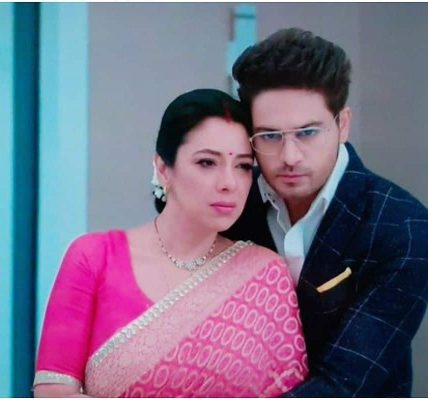
Kalli yadda take rungume shi a daki hadda taba nono
Frequently Asked Questions
What is nonuwan hajiya?
Nonuwan hajiya, also known as henna, is a natural dye made from the leaves of the henna plant. It is commonly used in various cultures for temporary body art, particularly during special occasions like weddings and festivals.
How is nonuwan hajiya applied?
Nonuwan hajiya is applied by creating a paste from dried henna leaves mixed with water or other natural ingredients like lemon juice or essential oils. The paste is then transferred into a cone-shaped tool for precise application onto the skin in intricate designs.
How long does nonuwan hajiya last on the skin?
The longevity of nonuwan hajiya on the skin depends on various factors such as the quality of the henna paste, skin type, and aftercare. Typically, it can last between 1 to 3 weeks, gradually fading as the skin exfoliates.
Is nonuwan hajiya safe for all skin types?
Nonuwan hajiya is generally considered safe for most skin types, but it’s always recommended to do a patch test before applying it extensively. Some individuals might experience allergic reactions to henna, so it’s essential to check for any adverse effects before full application.
Final Thoughts
Nonuwan hajiya is a symbol of grace and elegance, embodying the rich cultural heritage of Nigeria. Through her traditional attire and intricate jewelry, she shines with sophistication and beauty. Nonuwan hajiya reflects a deep sense of pride in her roots, inspiring others to embrace their culture with confidence. Embracing the spirit of nonuwan hajiya allows one to carry themselves with poise and dignity, honoring the traditions of the past while moving forward with grace and style.