
When most people hear ‘VPN’, they immediately think about unlocking Netflix libraries or hiding questionable downloads. But that narrow view misses the bigger picture.
While they can, the best VPN services are not tools for bypassing rules. They’re tools for protecting digital freedom, privacy, and security in an increasingly connected world. As more of our lives move online, from banking to remote work to healthcare portals, securing internet traffic is no longer optional. It’s essential.
Here’s what high-quality VPN services genuinely help everyday users do.
1. Protect Sensitive Data on Public Wi-Fi
Public Wi-Fi networks in airports, cafés, hotels, and coworking spaces are notoriously vulnerable. These networks are often unsecured, making it easier for malicious actors to intercept unencrypted traffic through what’s known as a ‘man-in-the-middle’ attack.
A premium VPN encrypts your internet connection using advanced protocols such as WireGuard or OpenVPN. This means that even if someone attempts to intercept your data, what they see is unreadable encrypted code.
For professionals who travel frequently or remote workers operating from shared spaces, this is one of the most important real-world benefits.
2. Reduce Online Tracking and Profiling
Most websites, advertisers, and even internet service providers collect browsing data. This information is often used to build advertising profiles, track consumer behavior, and personalize marketing campaigns.
A reputable VPN masks your IP address and routes traffic through secure servers, making it significantly harder for third parties to track your activity across the web.
This doesn’t make you invisible, but it does restore a degree of privacy that has steadily eroded over the past decade.
3. Improve Security for Remote Work
Remote work has become a permanent part of modern business. Employees access company dashboards, cloud systems, and internal communication tools from home networks that may not always be properly secured.
Many businesses require VPN usage because it:
- Encrypts sensitive business communications
- Protects client data from interception
- Secures access to internal systems
- Reduces cybersecurity risk exposure
For freelancers and small business owners, using a trusted VPN can provide enterprise-level encryption without complex infrastructure.
4. Avoid Bandwidth Throttling
Some internet service providers throttle bandwidth based on usage patterns. This particularly happens during streaming, gaming, or large file transfers. While policies vary by region, traffic shaping remains common in certain markets.
By encrypting your traffic, a VPN prevents ISPs from seeing exactly what you’re doing online. This can reduce the likelihood of targeted slowdowns tied to specific activities.
The result isn’t magically faster internet, but it can potentially ensure more consistent performance.
5. Access Information Freely While Traveling
While bypassing entertainment restrictions is often highlighted, the more meaningful benefit involves access to information.
Journalists, researchers, and international travelers may encounter restricted news outlets, academic resources, or communication platforms depending on their location. A reliable VPN can provide secure access to essential information without compromising data security.
In countries where online censorship exists, VPNs often serve as important tools for open communication and digital safety.
6. Strengthen Personal Cybersecurity Habits
Using a VPN encourages broader awareness around digital hygiene. People who adopt VPN usage often become more conscious of:
- Password management
- Two-factor authentication
- Phishing risks
- Secure browsing practices
In this sense, a VPN becomes part of a larger personal cybersecurity toolkit and not a standalone solution.
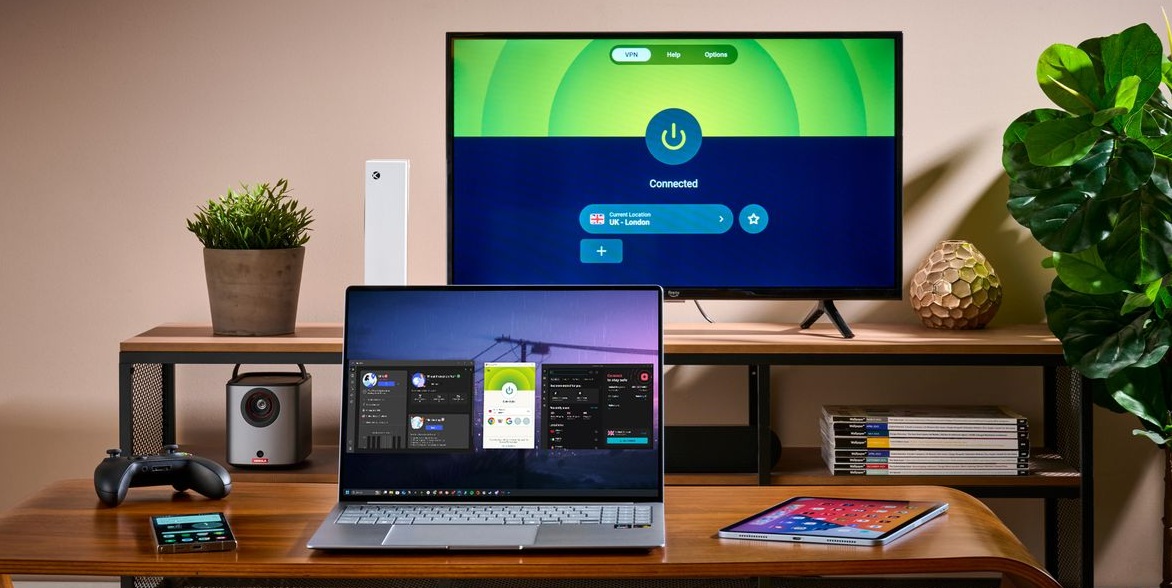
7. Protect Smart Devices and Entire Households
Modern VPN services often support multiple simultaneous connections. This means users can secure:
- Smartphones
- Laptops
- Tablets
- Smart TVs
- Even home routers
For families, this ensures consistent encryption across devices, which is especially important as smart home ecosystems continue to expand.
What Defines the ‘Best’ VPN?
Not all VPNs deliver these benefits equally. As any VPN comparison site will tell you, the best providers typically offer:
- Strict no-logs policies
- Independent security audits
- Modern encryption protocols
- Transparent privacy policies
- Reliable customer support
Free VPNs may lack the infrastructure, privacy safeguards, or long-term stability required for consistent protection.
So, in Short
The best VPN services aren’t about secrecy for the sake of secrecy. They’re about control. Control over your data, your security, and your digital footprint.
In a world where personal information is constantly collected, analyzed, and monetized, using a high-quality VPN is less about bypassing restrictions and more about reclaiming privacy.
It’s not a tool for doing something shady. It’s a tool for doing everyday online activities more safely.